We started on the other end of this problem
We built the MTN Guide to solve our own data engineering problems.
The wall we hit
We came to this from computational neuroscience and clinical medicine, working on models that find patterns in physiological and clinical data as they unfold over time. We built the pipelines, the wearable integrations, the dashboards.
And we kept losing the same months to the same work. Not to the models, but to figuring out what the data meant. Which of five timestamp columns marked when the encounter actually happened. Whether this system’s visit was the same thing as that system’s encounter. Why a report broke after a vendor update that changed three field names.
Our ML scientists were doing data archaeology. Every new project started the work over. And every answer lived in one engineer’s head until they left.
So we built the layer underneath
MTN Guide is an agentic data engineer. It reads schemas, documentation, and API definitions, and builds MTN FieldMap: an evidence-backed map of what an organization’s data means, then maintains that map as systems change. It is the thing we needed before we could do any of the work we actually set out to do.
Two convictions shaped it. The first is that a map has to be honest about its own uncertainty: a confident wrong answer is worse than no answer, so Guide records the evidence under every claim and refuses plainly when the evidence isn’t there. The second is that you cannot merge your way out of this. Two departments genuinely disagree about what a customer is, and a single unified model just hides the disagreement. So we map instead, recording where systems agree, where they overlap, and under what conditions.
It turned out this was not our problem. It was everyone’s. Organizations putting AI to work hit the same wall, and need a trusted guide to what their data means before the AI can help.
Built for the messy case
Partial, inconsistent, and drifting data isn’t an edge case we handle. It’s the condition the product assumes, and the reason it exists.
Built for High-Trust
The map is built from how your systems are shaped, so the sensitive part never has to move. Security review gets a lot shorter.
Leadership
Physicians and data scientists founded and lead MTN, alongside engineers who have built and scaled production platforms. The combination brings scientific rigor to practical problems. Our work has been published in Nature journals, PNAS, JMIR, Chest, PLoS Computational Biology, The Royal Society, and other leading venues.
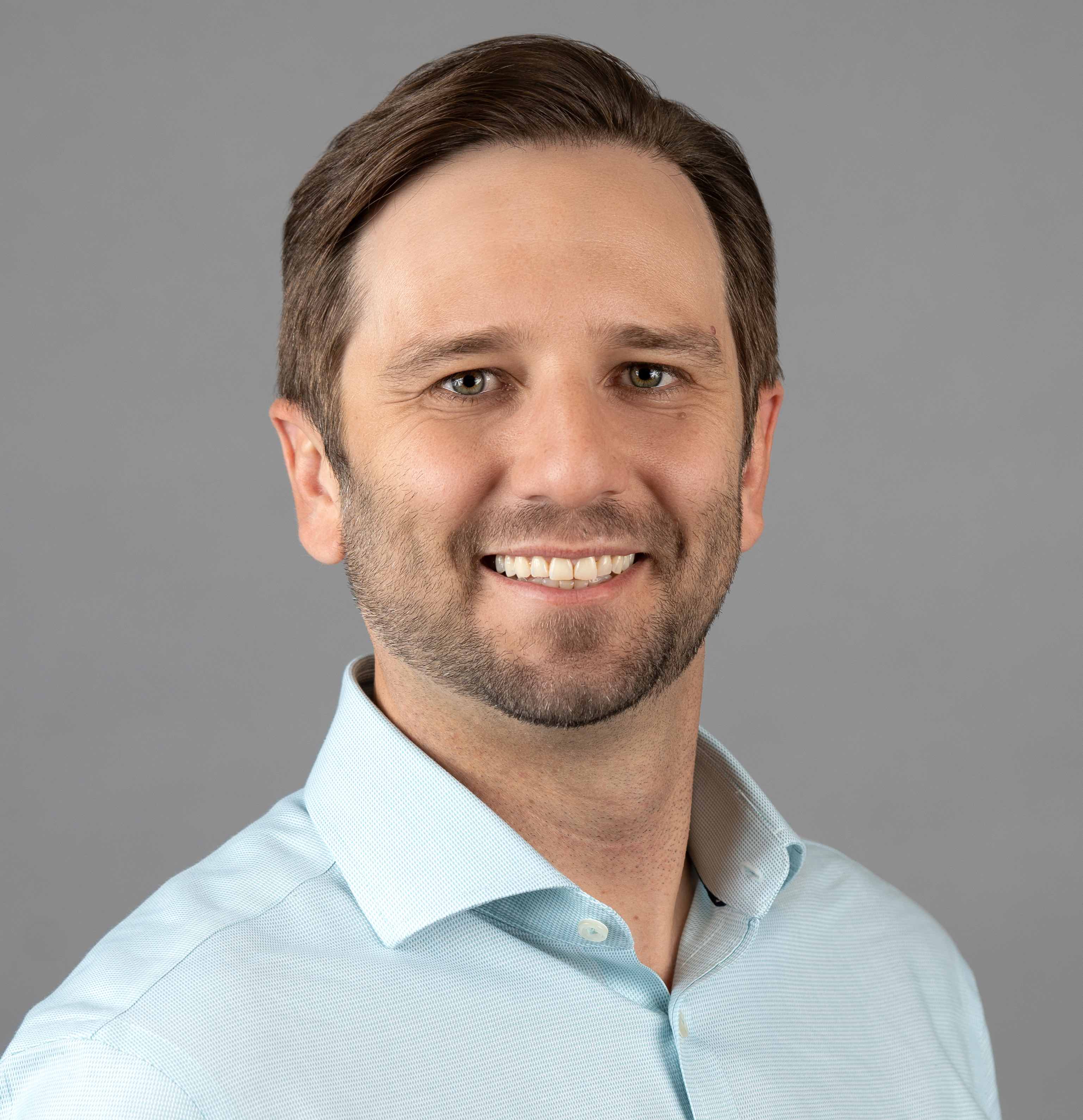
Co-Founder & CEO
A machine learning scientist and software builder who has wrestled the data engineering problem for 17 years. Trained in medicine at Colorado and computational neuroscience at Harvard, Stanford, NYU, and Yale. He co-founded MTN in 2023 to address the under-utilization of data in healthcare. Separately, he is on partial leave from leading the Medical Machine Intelligence (M²Int) Lab at the University of Utah, an academic research group developing AI for clinical applications. Prior service in U.S. and Colorado health policy, and on the University of Utah IRB, shapes MTN's governance posture.


Enterprise AI Advisor
Head of Medical Data & AI at Sanoptis, one of the largest ophthalmology networks in Europe. PhD and postdoctoral research at Columbia University in computational ML. Previously a Deep Learning Research Engineer at DeepLife, training foundational models on genomic and biometric data. Investigator with the M²Int Lab. Aligns MTN's products with the integration and scalability needs of M&A-driven enterprises.
“We were tired of spending more time on data plumbing than on actual science. So we built a system that could handle the integration complexity for us. Turns out, that system is exactly what a lot of other organizations need.”
— Warren Pettine, Co-Founder & CEO
Vetted validation
Most of what MTN has built was paid for by research funding we had to win in open competition. Getting that funding meant passing peer review: independent scientists, physicians, and engineers with no connection to the company take the technical approach apart and judge whether it will actually work. It is designed to be hard to pass, and most applications don’t.
MTN has been through it three times, in front of three different panels.

$2.34M. Funded on first submission.

Won to build time-series models.


Finalist. Tested on Army data.
We are grateful to the Nucleus Institute, whose UTIF grant and SBIR application support helped make the NIH award possible. Federal funding supports this research; it is not an endorsement of MTN or its products by NIH, NIA, or the U.S. Army.
In the news
- BriefGlanceOct 13, 2026The Agentic Shift: MTN Secures $2.34M NIH Grant for Privacy-First AIRead the story
- TechBuzz NewsOct 13, 2026MTN Lands $2.34 Million NIH Grant to Help AI Navigate Fragmented DataRead the story
- PR Newswire · Press releaseOct 13, 2026MTN Secures $2.34 Million NIH Grant to Scale Platform That Maps Fragmented Data So High-Trust Industries Can Drive Superior PerformanceRead the story
Our mission
Healthcare generates an extraordinary record of what happens to people over time, and most of it goes unused because nobody can say with confidence what it means. MTN exists to close that gap: to make fragmented, irregular, sequential data usable, without asking organizations to hand over the data itself or pretend to a certainty they don’t have.
Healthcare is where we started, and where the stakes are highest. The same problem holds anywhere trust, time, and data integrity matter, from financial services to any business putting AI to work. We want to be the trusted guide those organizations rely on.
Want to learn more?
Whether you're deploying clinical AI, integrating after an acquisition, or just trying to find out what your own data means, we'd like to hear from you.